
Today’s working life places high demands on both organizations and individuals.
Workplaces that prioritize employee wellbeing see clear results in terms of higher profitability, reduced staff turnover and stronger innovation. Successfully improving employee engagement is about creating an environment where each individual feels seen, heard and important to the overall goals of the business.
Organizations that actively measure and develop their corporate culture build a solid foundation for the future. When staff feel good and have a genuine interest in their work, they perform better. This creates a positive spiral that benefits the whole company.
This article explores what the term actually means and how leaders can address these issues in a structured way. You will get concrete tools to strengthen motivation and create a more productive workplace.
Key points from this article
- What engagement means in practice
- Factors affecting employee engagement
- The crucial role of leadership
- Concrete strategies to increase motivation
- Common challenges in the workplace
What does employee engagement actually mean?
Genuine employee engagement is the emotional and intellectual connection an employee has to their workplace. It is a willingness to contribute to the success of the organization, beyond the basic requirements of the job description.
Motivation and engagement are often confused, but they represent different concepts. Motivation is the drive to perform a specific task or reach a goal. Engagement is a deeper state. An engaged employee feels loyalty to the company’s vision and values.
This deeper engagement is central to performance. Engaged teams are more productive, have lower absenteeism and deliver a higher quality of work. When employees’ daily efforts are directly linked to the overall goals of the organization, it creates a sense of purpose that drives the whole business forward.
What factors influence engagement in the workplace?
Several interacting elements shape the workplace climate. The physical and psychosocial work environment sets the framework for staff well-being. A strong, inclusive culture where colleagues support each other builds psychological safety. Psychological safety means that employees dare to express opinions, share ideas and admit mistakes without fear of negative consequences.
The opportunity for personal and professional development is another important factor. Employers who offer continuous learning and a high degree of autonomy often retain their key talent for longer. People need to feel that they are growing in their roles.
Recognition acts as a direct acknowledgement that the employee’s contribution is valued. Regular feedback and fair rewards confirm the importance of the individual. Choose direct and personal recognition over generic reward systems to build a stronger relationship between employee and organization.
How does leadership influence efforts to improve employee engagement?
Managers and leaders act as culture carriers. Effective leadership is based on the ability to inspire and motivate, rather than control and micromanage. Leaders who show confidence in their people’s skills unlock their full potential.
Transparency and participation are the cornerstones of this work, which is something we work a lot on within our organization. By involving staff in decision-making processes and openly communicating the direction of the company, management builds strong trust. Such a climate makes it significantly easier to improve employee engagement over time.
Regular follow-up is as important as the feedback itself. It is not enough to point out the direction; leaders must also be there to support along the way.
If you want to learn more about how managers can act as supportive partners, we recommend that you read more about coaching leadership in the workplace.
What concrete strategies exist to increase motivation?
Creating long-term change requires structured approaches. Here are some practical approaches that organizations can implement:
Conduct qualitative performance appraisals
Replace the rigid annual appraisals with frequent and forward-looking 1:1 meetings. These meetings should focus on the employee’s wellbeing, ongoing projects and future goals. Frequent check-ins build a stronger relationship and catch any problems early on.
Use digital tools for heart rate measurements
Choose digital pulse surveys over extensive annual surveys if you want an up-to-date picture of how your organization is doing. Tools that collect anonymous feedback on an ongoing basis allow management to act quickly on changes in the work climate. It also makes it easier to measure engagement (e.g. via eNPS) and monitor results over time.
Work purposefully with team activities
Strengthen cohesion through joint activities. These do not have to be large conferences, but can be regular knowledge sharing or joint problem-solving forums. These initiatives break down silos between departments and benefit both individual development and organizational benefit.
Next steps for a more engaged workplace
Engaged employees are at the heart of every successful business. The positive effects can be seen in everything from increased productivity to a more innovative and enjoyable work environment. By focusing on trusting leadership, psychological safety and continuous feedback, you can create a workplace where people want to stay and grow.
Start by reviewing how you currently measure and monitor well-being in your teams. Choose one or two concrete measures, such as introducing more frequent feedback sessions, and evaluate the impact on an ongoing basis.
Frequently asked questions on employee engagement (FAQ)

Valberedningens viktiga samtal: Case Sparbanksstiftelsen
Sparbanksstiftelsen Kronan stod inför behovet av att stärka och utveckla sin valberednings arbete. Med fokus på att skapa trygghet i komplexa dialoger och förbättra den kommunikativa förmågan, inleddes ett samarbete med Unik Resurs.
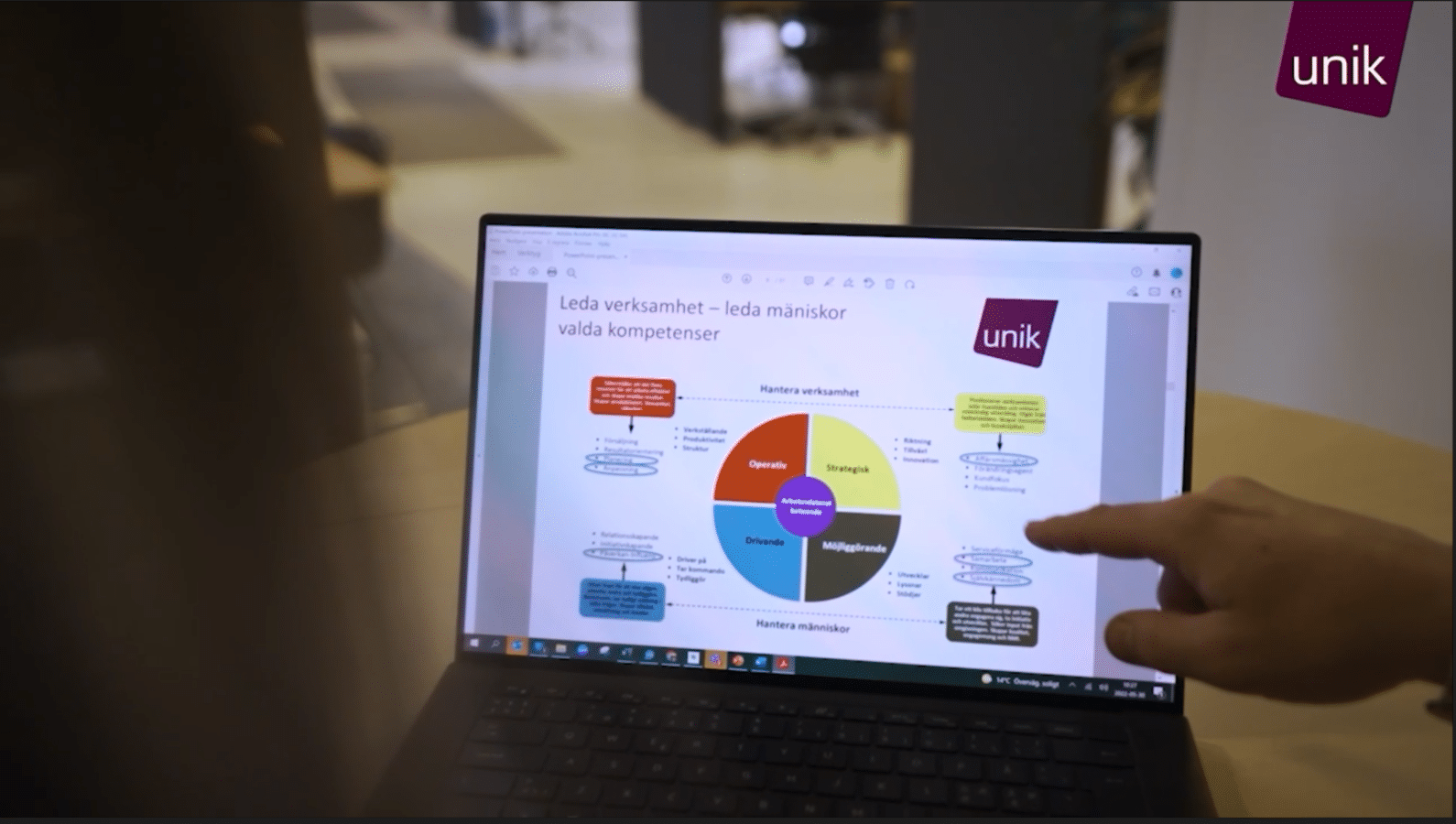
Be the Best Version of You™ – En resa mot mod, balans och hållbart ledarskap
Programmet gav honom nya perspektiv på kommunikation, balans och kultur, och han började se på sitt ledarskap inte som en roll han måste ”fylla perfekt”, utan som en resa där utveckling är en självklar del.
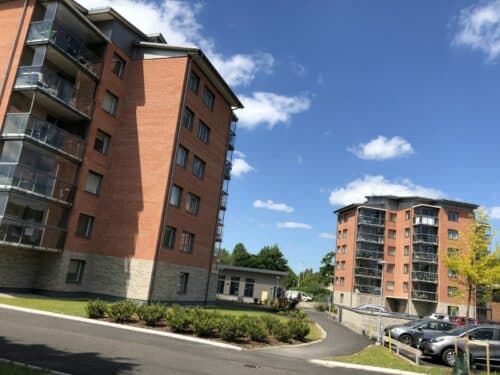
Ledningsutveckling för framgång hos Olofströmshus
Genom att implementera SMARTA mål och arbeta med strategiskt fokus har vi bidragit till att skapa en mer framåtblickande och effektiv verksamhet.
Together we create successful organizations
Unik Resurs is a long-term partner. We strive every day to build long-term relationships and create added value. Do you need support in developing your leadership or strengthening your corporate culture? Contact us, and we will help you create the best conditions for you.

